
Washington was thrown into immediate turmoil after Jim Jordan unveiled a controversial bill that would permanently bar anyone born outside the United States from serving as president or even as a member of Congress.
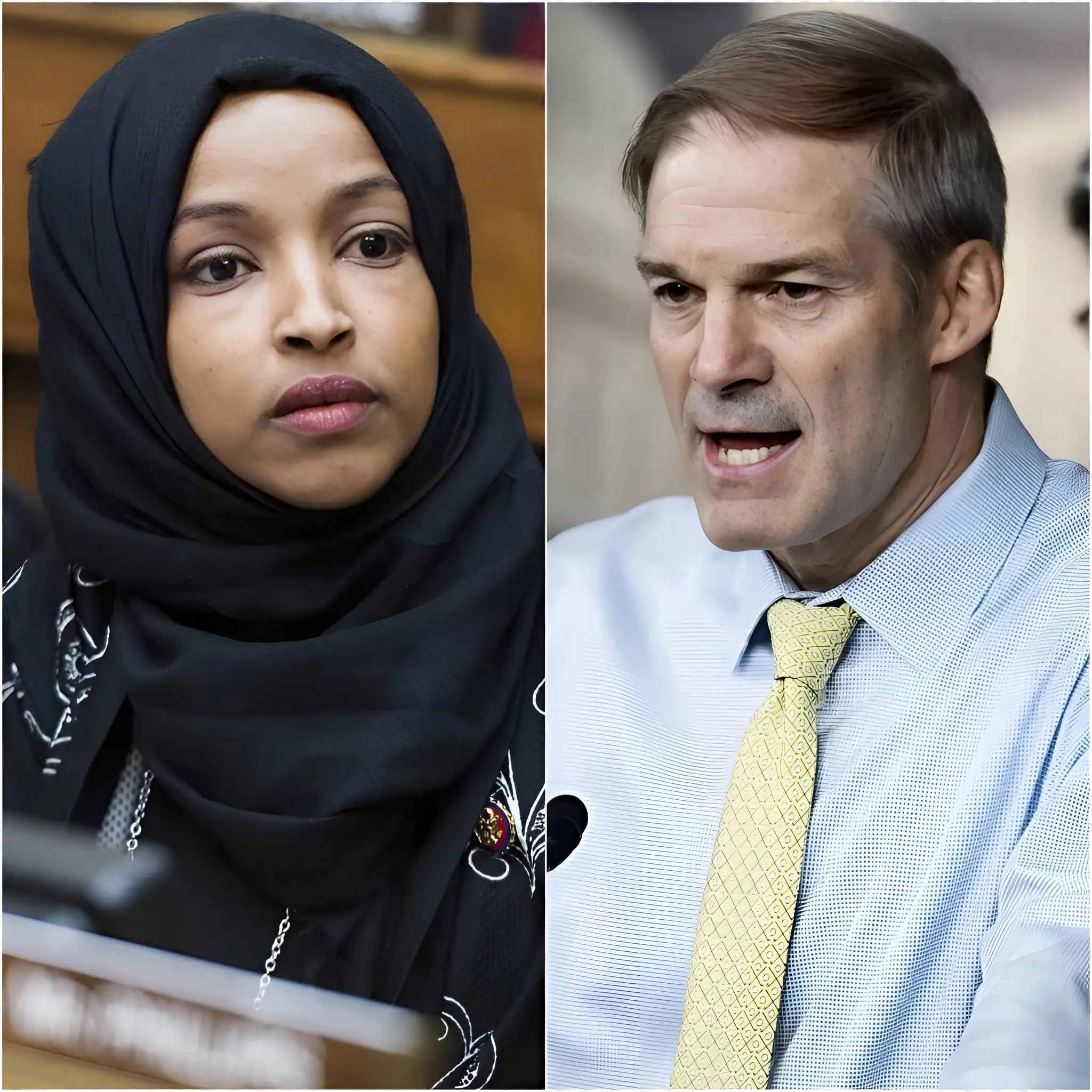
Standing before reporters, Jordan delivered a blunt declaration that echoed through the Capitol corridors: if you were not born on American soil, you should not even dream of leading the country or shaping its laws.
The proposed legislation, introduced without prior bipartisan consultation, seeks to redefine eligibility requirements for federal office by imposing a strict birthplace mandate that goes far beyond current constitutional standards for congressional service.
Within minutes, social media platforms erupted, cable news networks cut into regular programming, and political analysts scrambled to interpret the implications of a proposal many described as unprecedented in modern American political history.
Republican lawmakers surrounding Jordan were reportedly amused by the uproar, some laughing as cameras flashed, while others insisted the bill was about national sovereignty and restoring what they called foundational American principles.
Democratic leaders reacted with visible outrage, calling the proposal discriminatory and unconstitutional, and warning that it could inflame already deep divisions across a country grappling with immigration debates and identity politics.
Critics swiftly labeled the measure the most dangerous racist bill of the decade, arguing that it targets naturalized citizens and immigrant communities who have long contributed to public service and national leadership.
Legal scholars pointed out that the Constitution already sets clear requirements for the presidency, including natural-born citizenship, but does not restrict congressional membership solely to those born in the United States.
The new bill, however, attempts to extend that natural-born requirement across all federal offices, effectively excluding millions of naturalized citizens from ever serving in Congress, regardless of their experience or voter support.
Immigrant advocacy groups warned that the language of the bill risks stigmatizing communities and reinforcing narratives that question the legitimacy and loyalty of Americans who were born abroad but became citizens lawfully.
Business leaders and civil rights organizations expressed concern that the proposal sends a damaging global message, potentially undermining America’s reputation as a nation built by immigrants from every corner of the world.
Barely fifteen minutes after Jordan concluded his remarks, Ilhan Omar stepped before microphones in a hallway packed with reporters and delivered a response that immediately shifted the tone of the debate.
Her statement was brief, measured, and pointed, consisting of just eleven words that observers described as both defiant and sobering, cutting through the noise of partisan theatrics with striking clarity.
In those eleven words, Omar invoked the Constitution, the sacrifices of immigrants in the armed forces, and the democratic right of voters to choose their representatives without birthplace discrimination.
Witnesses said Jordan appeared momentarily stunned, his earlier confidence replaced by visible tension as cameras captured the unfolding confrontation between two lawmakers representing sharply divergent visions of America.
News alerts flashed across smartphones nationwide, amplifying the clash and fueling speculation about potential protests, legal battles, and the broader cultural reckoning that could follow such a sweeping legislative proposal.
Security officials around Capitol Hill quietly increased their presence, aware that emotionally charged debates over immigration and national identity have previously sparked demonstrations both peaceful and volatile.
Political strategists on both sides immediately began calculating the electoral consequences, recognizing that the controversy could energize core supporters while alienating moderate voters uneasy with extreme positions.
Constitutional experts emphasized that altering eligibility requirements for Congress would likely require a constitutional amendment, a process demanding supermajority approval in Congress and ratification by three-quarters of states.
Even some conservative commentators expressed skepticism about the practicality of the bill, suggesting that it may serve more as a symbolic gesture aimed at rallying a specific voter base than as viable legislation.
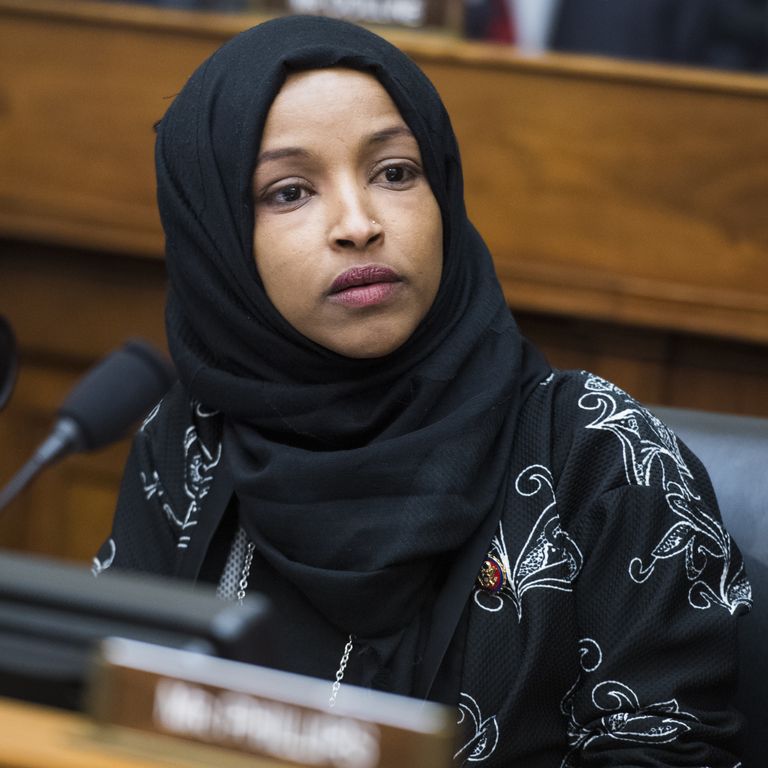
Democratic lawmakers vowed to challenge the measure at every stage, framing it as an assault on pluralism and a rejection of the diverse backgrounds that characterize modern American society.
Across the country, naturalized citizens shared personal stories online, describing years of public service, military enlistment, and civic engagement that would be rendered meaningless under the proposed restrictions.
University campuses hosted emergency forums on constitutional law and immigration history, with professors dissecting the legal framework and students debating whether birthplace should define political legitimacy.
Civil rights attorneys began drafting preliminary analyses outlining potential constitutional challenges, citing equal protection principles and longstanding interpretations of eligibility for elected office.
Meanwhile, grassroots activists organized rallies in major cities, emphasizing that American democracy has historically expanded participation rather than narrowing it based on ancestry or place of birth.
The White House refrained from immediate comment, but senior aides privately acknowledged the volatility of the moment and the risk of escalating tensions if rhetoric continued to intensify.
International observers watched closely, as foreign leaders and global media outlets highlighted the debate as a reflection of America’s ongoing struggle over identity and inclusion.
Supporters of the bill argued that national leadership should be reserved for those born within U.S. borders, claiming it strengthens loyalty and preserves constitutional intent.
Opponents countered that loyalty is demonstrated through commitment and service, not geography at birth, and warned that such logic could lead to broader exclusions in public life.
As evening fell, the Capitol remained illuminated, symbolizing a government confronting yet another test of its resilience amid polarized politics and deeply rooted ideological divisions.
The eleven words spoken in response continued circulating online, printed on protest signs and repeated in televised debates, illustrating how concise language can ignite a nationwide conversation.
Whether the bill advances or stalls in committee, the episode has already reshaped the political landscape, forcing lawmakers and citizens alike to confront fundamental questions about citizenship and belonging.
In the days ahead, the clash between competing visions of America may define legislative priorities, campaign narratives, and public discourse, underscoring how a single proposal can trigger far-reaching consequences.
For now, the nation stands at a crossroads, grappling with constitutional interpretation, democratic values, and the enduring tension between exclusion and inclusion at the heart of American political life.