
The crisp evening air of Munich did little to cool the simmering tensions within the French footballing camp, but it was a single, exhausted slip of the tongue from Didier Deschamps that ultimately reframe the entire narrative of Les Bleus’ recent campaign. For weeks, the French public and global pundits alike had leveled scathing criticisms at a team that seemed to be playing in third gear. The star-studded squad, tipped by many to dominate the tournament, had just succumbed to a sobering 0-2 defeat against a fluid, vibrant Spanish side.
On paper, it was a tactical masterclass by Spain; in reality, as Deschamps inadvertently let slip during a post-match press conference, it was the breaking point of a squad running on absolute empty.
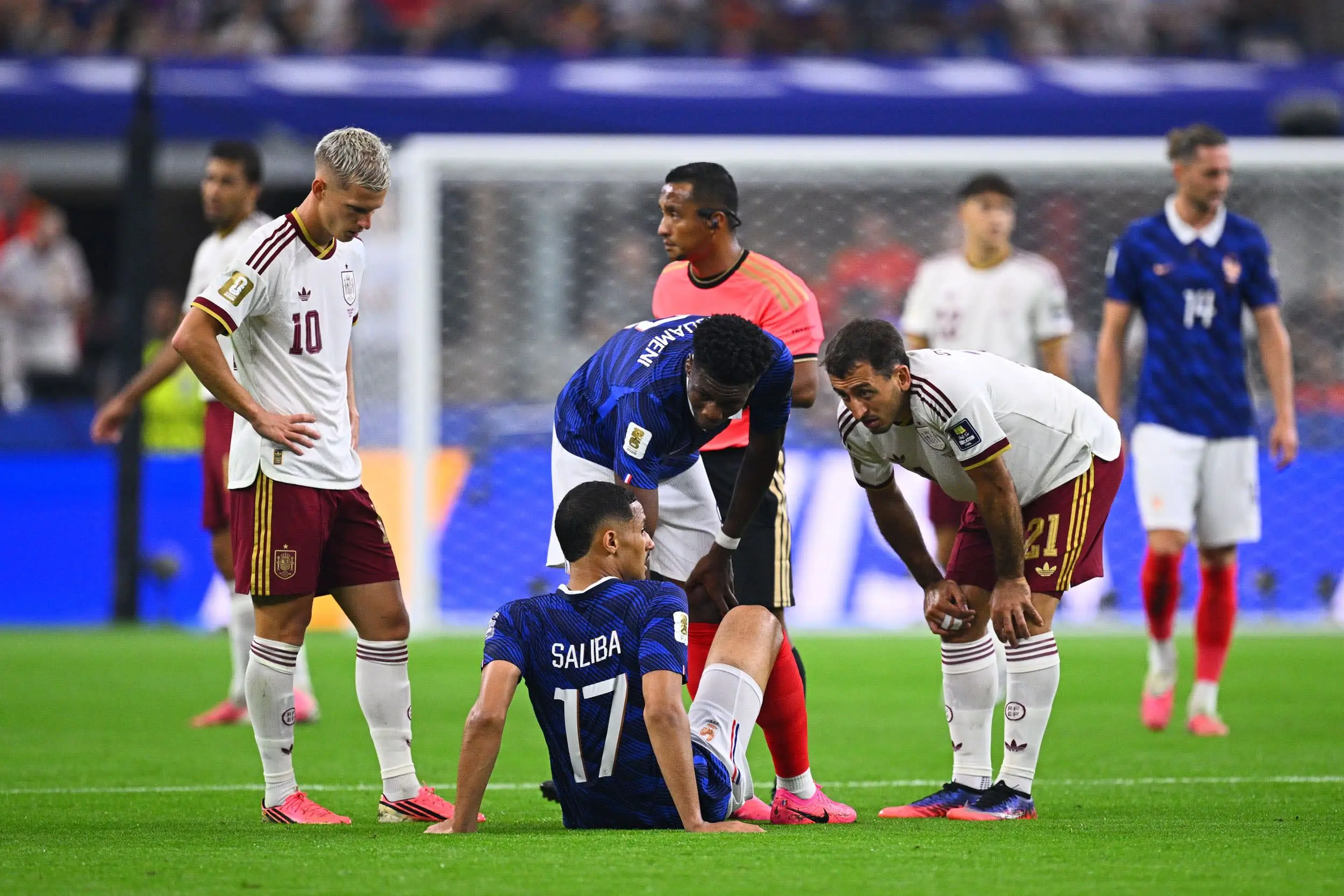
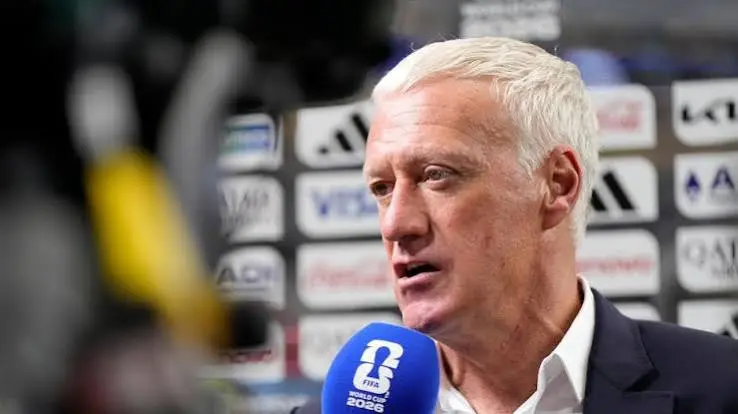
Replying to a routine question about his tactical substitutions in the seventy-second minute, Deschamps, visibly weary and perhaps momentarily dropping his legendary media shield, muttered a phrase that immediately sent shockwaves through the press room. He spoke of “physiological thresholds” and “unmanaged biological deficits” that had plagued his key players for over a month, implying that several starting eleven players had been medically advised not to play more than forty-five minutes of high-intensity football per match. Though he quickly tried to steer the conversation back to credit Spain’s brilliant midfield display, the cat was out of the bag.
The French manager had just admitted that his team was not underperforming due to a lack of desire or tactical rigidity, but because they were physically incapable of giving any more than they did.
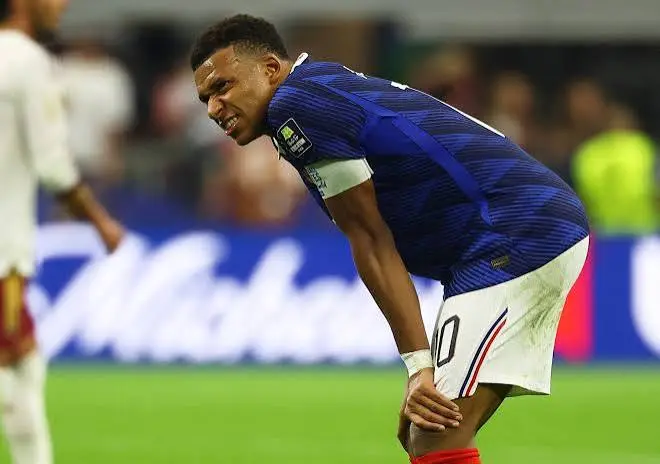
This accidental revelation has completely flipped the script on how the French public views this defeat. In the immediate aftermath of the final whistle, social media was a toxic wasteland of finger-pointing. Kylian Mbappé was criticized for a lack of defensive tracking, Antoine Griezmann was labeled as past his prime, and Deschamps himself was accused of defensive cowardice. However, as the implications of Deschamps’ slip began to sink in, a wave of profound empathy washed over the fan base. The narrative shifted from one of arrogance and laziness to one of quiet heroism.
These players were not failing to try; they were fighting their own bodies just to stay on the pitch. The realization that several squad members had been playing through severe, unpublicized physical exhaustion—likely exacerbated by a grueling domestic season and inadequate recovery windows—turned the initial anger into a collective sigh of appreciation and concern.
Yet, this newfound sympathy has done little to ease the growing anxiety regarding the future of the French national team. If the golden generation of French football is already showing signs of systemic physical burnout, what does the road ahead look like? The modern football calendar is notoriously unforgiving, with expanded club tournaments, international breaks, and summer championships leaving elite players with virtually no off-season. Deschamps’ confession exposes a structural flaw not just within the French setup, but within the global game itself.
If a nation with the depth of France cannot field a physically fit squad for a major tournament, it suggests that the demands placed on these athletes have finally crossed a dangerous line.
From a logical standpoint, the 0-2 loss to Spain now makes perfect sense. Spain’s style of play relies heavily on rapid ball circulation and intense counter-pressing, a system that demands opposition players to constantly shift, sprint, and close down spaces. Against a fully fit French team, this would have been a clash of titans. Against a French team operating at a self-admitted fraction of its physical capacity, it was a mismatch of tragic proportions. The French midfield, usually so robust, looked like it was running through wet cement, unable to match the youthful exuberance of Spain’s central trio.
It was not a failure of tactical positioning, but a simple equation of kinetic energy: one team had it, and the other had depleted its reserves weeks ago.
This structural exhaustion raises critical questions about squad management and the transition of power within Les Bleus. Deschamps has long been criticized for relying on a trusted core of veteran players, often keeping younger, fresher talents on the bench. In light of his recent slip, this reliance looks less like stubbornness and more like a desperate gamble that failed. By forcing fatigued superstars to carry the weight of the nation, the coaching staff may have inadvertently prolonged the recovery times of these players while simultaneously damaging the confidence of the reserve players who were deemed unready to step in.
The path forward must involve a drastic re-evaluation of how France integrates its next generation of talent, ensuring that physical readiness is prioritized over reputation.
As the team prepares to return to Paris, the mood is far from celebratory, yet it is no longer hostile. The fans now understand the silent battle their players were fighting behind the scenes. However, understanding does not breed security. The road to the next major international tournament feels longer and more treacherous than ever before. France must navigate a tricky transitional phase where they must not only rebuild the tactical identity of the team but also physically rehabilitate their most valuable assets.
The era of relying solely on individual brilliance to bail out a fatigued collective is officially over, and the French Football Federation must adapt to this harsh reality if they wish to reclaim their spot at the summit of world football.
This tournament will be remembered not for the tactical nuances of the final matches, but as the moment the physical limits of elite footballers were laid bare for the world to see. Deschamps’ accidental honesty has humanized a group of athletes who are too often treated like indestructible machines. As the dust settles on this shocking exit, the footballing world is left to ponder the cost of entertainment and the true price of victory.
How can national team managers strike a balance between playing their best, albeit physically exhausted, superstars and trusting unproven younger talents in high-stakes matches to prevent this kind of systemic burnout?