
The sensational claim circulating online—that legendary jockey Ryan Moore has refused to participate in Pride Month celebrations, citing frustration with an “awakening” or “woke” horse racing culture and declaring that it “has no place in sport and is not worthy of being celebrated”—appears to be unfounded based on the latest available information.
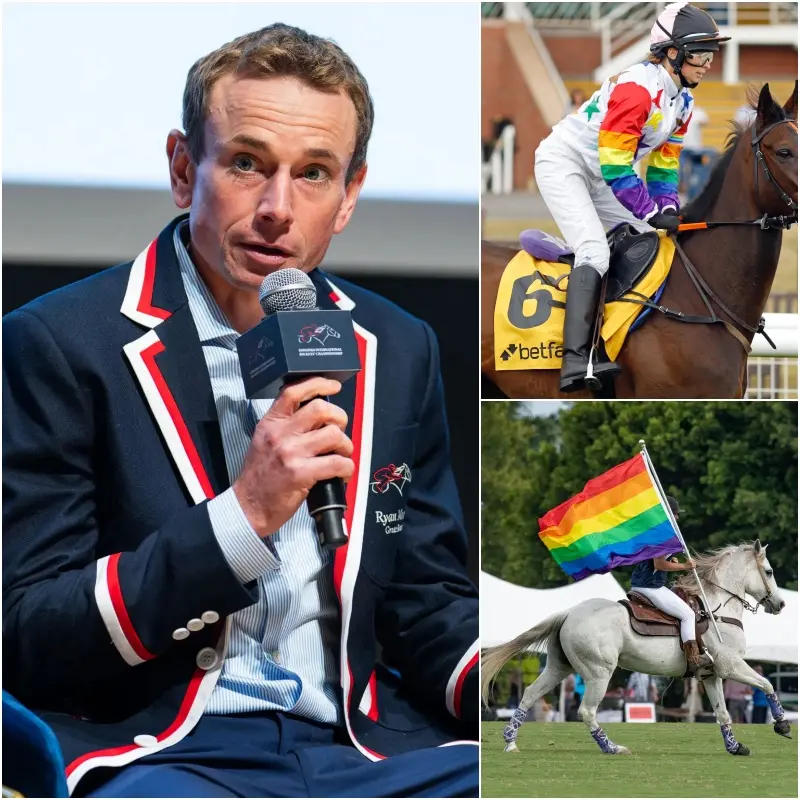
No credible news outlets, official statements from Moore, the British Horseracing Authority (BHA), jockey clubs, or major racing publications such as the Racing Post, Thoroughbred Daily News, or The Guardian have reported any such declaration or controversy involving Moore in relation to Pride Month, LGBTQ+ initiatives, or similar cultural issues in horse racing as of February 2026.
The story seems to originate from viral social media posts, particularly on Facebook, where sensational headlines and images have been shared widely in recent weeks. These posts often link to dubious or low-credibility sites and use dramatic phrasing like “exasperated by the ‘woke’ horse racing culture” or “REFUSES to celebrate Pride Month.” Similar fabricated or exaggerated claims have appeared involving other figures in sports, suggesting this may be part of a pattern of clickbait or misinformation designed to provoke division.
Ryan Moore, one of the most accomplished and respected jockeys in modern flat racing, has maintained a characteristically low-profile and professional demeanor throughout his career. Known for his focus on the horses rather than off-track controversies, Moore has rarely engaged in public statements on social or cultural topics. His recent activities center on competitive riding, including high-profile wins and preparations for major races. For instance, he has been highlighted in racing coverage for strong performances in events like those at Ascot, Curragh, and international fixtures, with emphasis on his tactical brilliance and partnership with trainers like Aidan O’Brien.
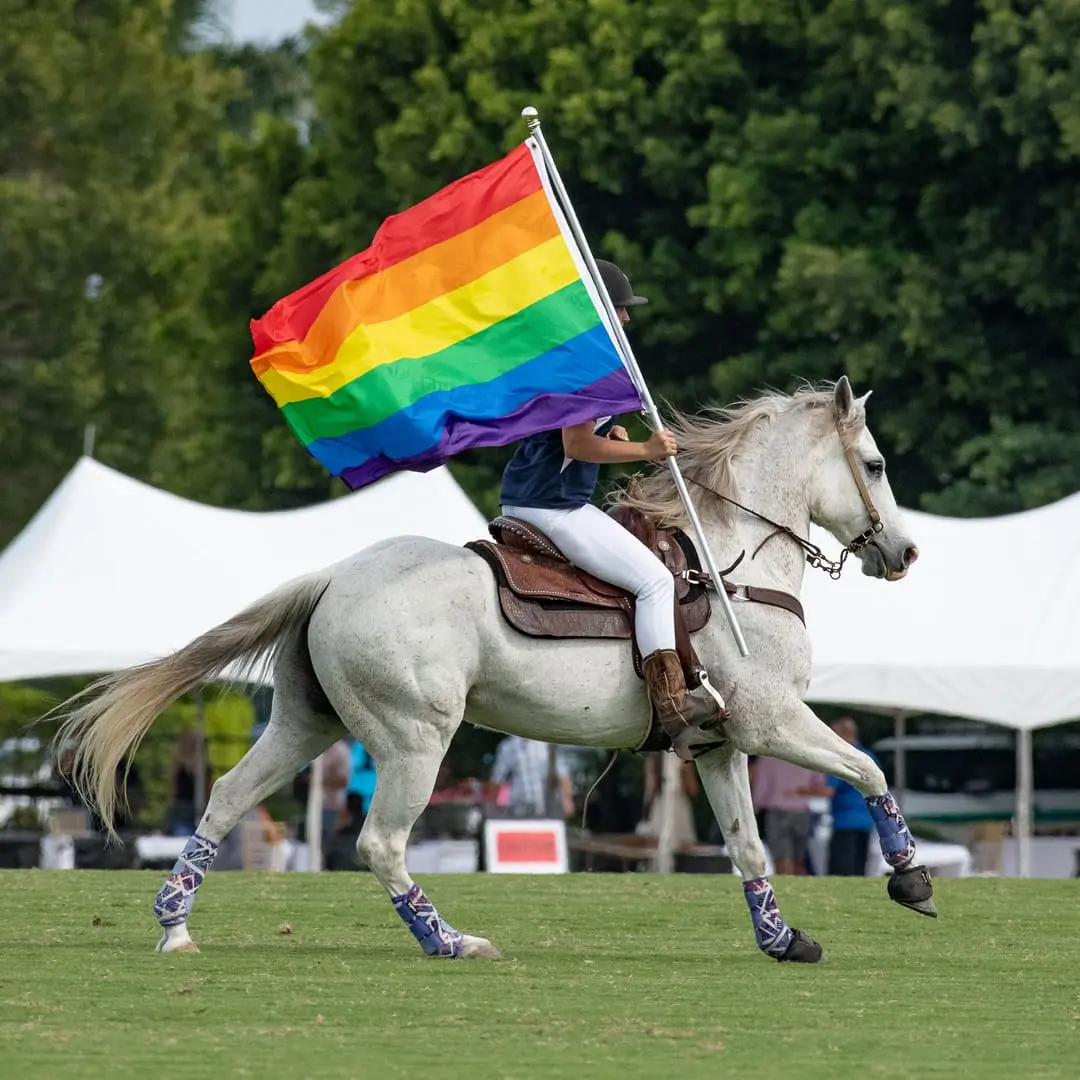
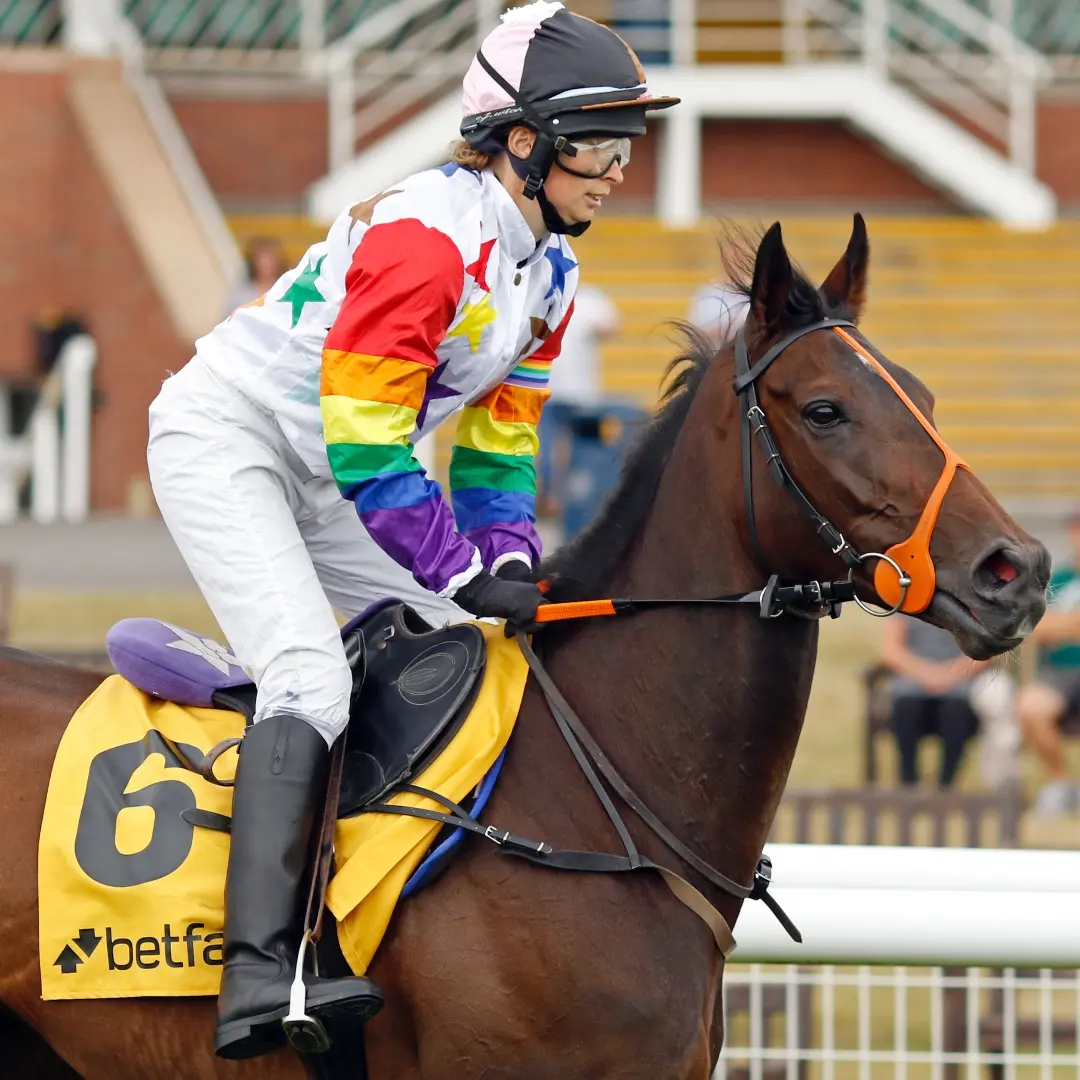
Horse racing as a sport has increasingly embraced diversity and inclusion efforts in recent years, including support for LGBTQ+ communities through initiatives by organizations and events. Some motorsport parallels exist (e.g., Racing Pride), but in thoroughbred racing, such celebrations or awareness campaigns during Pride Month are typically low-key or event-specific rather than mandatory for participants. There is no evidence of widespread “Pride Month celebrations” being imposed on jockeys or riders in a way that would prompt a high-profile refusal from someone of Moore’s stature.
Moore’s public persona remains centered on the purity of the sport: the horses as athletes, strategy, and performance. In interviews over the years, he has expressed occasional frustrations with scheduling, race programming, or broader industry issues like mid-week racing quality, but nothing tied to cultural or identity politics.
If this story were legitimate, it would likely have generated immediate coverage from mainstream racing media, fan forums, and statements from stakeholders—none of which has materialized. The absence of corroboration from reliable sources strongly indicates the claim is misinformation or satire gone viral.
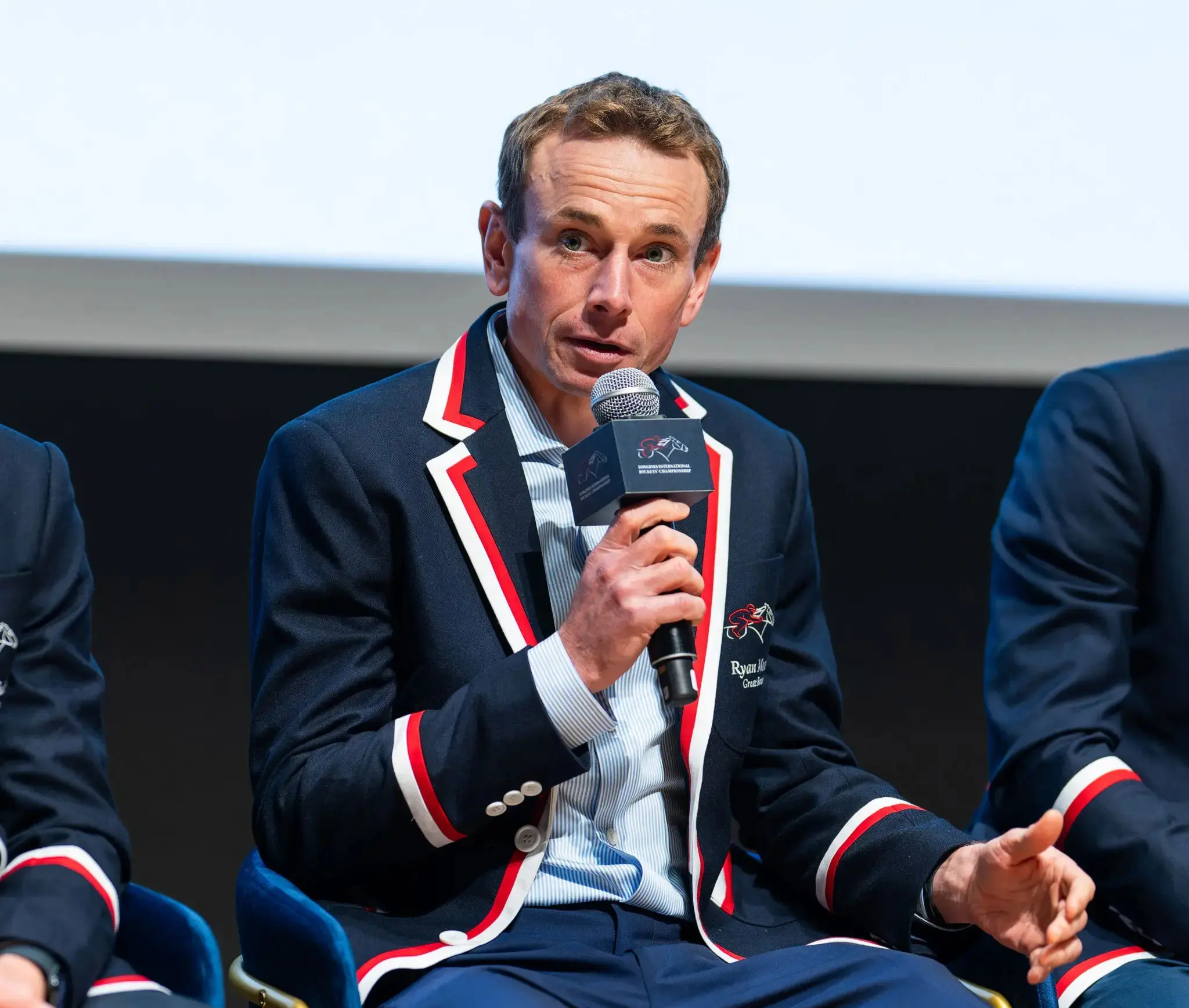
Fans and the racing community continue to celebrate Moore for his extraordinary talent and record, including multiple champion jockey titles, Royal Ascot dominance, and iconic rides on horses like Workforce, Highland Reel, and others. As the 2026 flat season progresses, attention remains firmly on his potential achievements rather than unsubstantiated off-track drama.
In the modern sports media ecosystem, the speed at which a rumor can gain traction often far outpaces the speed at which it can be responsibly verified. A provocative headline, paired with an image and a few emotionally charged phrases, can generate thousands of shares within hours—especially when it touches on polarizing cultural themes. That dynamic appears to be at play in this case. Without confirmation from established outlets such as the British Horseracing Authority or leading publications like the Racing Post, the claim lacks the basic foundation required for credibility.
It is also important to consider Moore’s long-standing reputation within the sport. Ryan Moore has built his career not on outspoken commentary but on results—precision rides in high-pressure Group 1 races, calculated patience in tight finishes, and an almost clinical consistency at the highest level of flat racing. His association with powerhouse trainer Aidan O’Brien has produced victories on some of the sport’s grandest stages, from Royal Ascot to the Breeders’ Cup and beyond.
In that context, a sudden, highly politicized public stance would represent a sharp departure from a professional identity that has remained remarkably steady for more than a decade.
Moreover, horse racing’s approach to diversity initiatives has generally been incremental rather than confrontational. Industry groups have supported inclusion campaigns in ways that tend to emphasize visibility and community rather than mandates. Unlike certain team sports leagues where league-wide symbolic gestures may be more prominent, racing operates through a decentralized structure of tracks, owners, and governing bodies. That structure makes the idea of a sweeping, compulsory Pride Month program affecting all jockeys far less plausible.
The anatomy of viral misinformation often follows a predictable script: a respected figure is attached to a culturally sensitive issue, a quote is framed in absolutist language, and the narrative is amplified through networks that thrive on outrage. Screenshots circulate. Commentary intensifies. Yet when observers attempt to trace the claim back to an original, verifiable source—an interview transcript, an official press release, a broadcast clip—the trail goes cold. In the absence of primary evidence, repetition alone does not create truth.
For fans, the episode serves as a reminder to approach sensational sports headlines with a measure of skepticism. Checking whether a story is corroborated by established media outlets, looking for direct quotations in context, and distinguishing between opinion blogs and accredited reporting are small but powerful steps in maintaining an informed community. Athletes’ reputations are part of their professional capital; attaching them to unverified controversies can have real consequences, even when the story ultimately dissolves under scrutiny.
As the 2026 flat racing season unfolds, Moore’s focus remains, by all credible accounts, on competition. Upcoming fixtures at major European meetings and international engagements will test tactics, timing, and partnerships—not ideological positioning. His career trajectory continues to be defined by split-second decisions in the saddle rather than statements at podiums.
In the broader picture, this incident underscores a growing challenge for modern sport: the intersection of global visibility and digital virality. With millions of fans consuming racing content online, narratives can be shaped in real time, sometimes detached from on-the-ground realities. Until substantiated reporting emerges—if it ever does—the prudent conclusion is that the Pride Month refusal claim belongs to the expanding archive of unverified internet lore rather than the documented history of professional horse racing.