
After a lively controversy caused by her statements targeting Kylian Mbappé, Paraguayan senator Celeste Amarilla publicly expressed her regrets and asked for forgiveness in front of the media. In return, the French striker’s reaction, sober but firm, quickly ignited social networks and sparked numerous comments, some seeing it as a demonstration of his composure and his leadership.
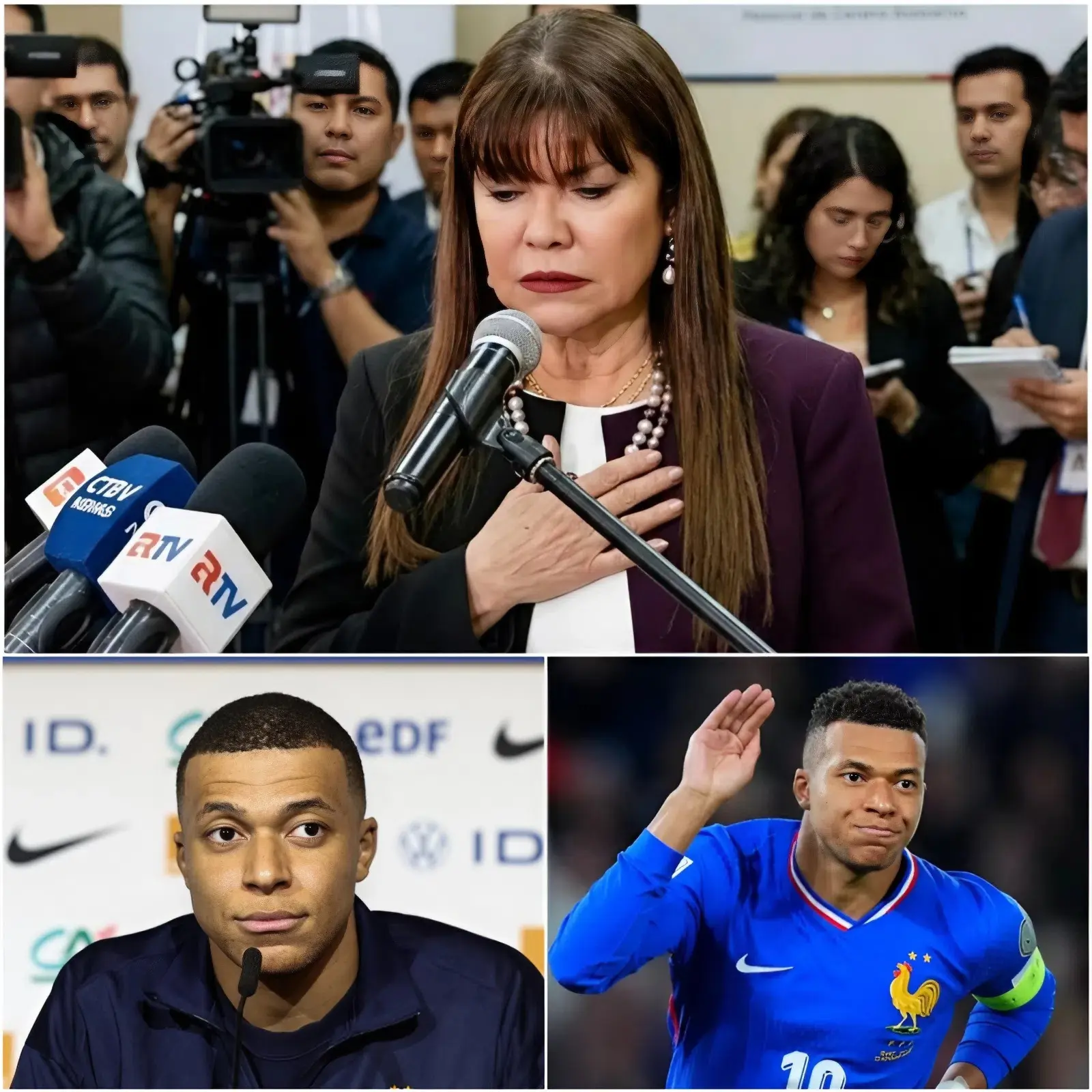
In an unexpected turn of events that has captivated the world of football and far beyond, Paraguayan senator Celeste Amarilla has broken her silence to publicly apologize to Kylian Mbappé. The words “I should never have said that” resonated as a sincere admission, marking the end of a controversy that had taken on international proportions. This affair, born from a controversial declaration during the 2026 World Cup in the United States, revealed the tensions between sporting passion, politics and public responsibility.
Mbappé’s measured response, far from triumphant, was hailed by many as a model of maturity.
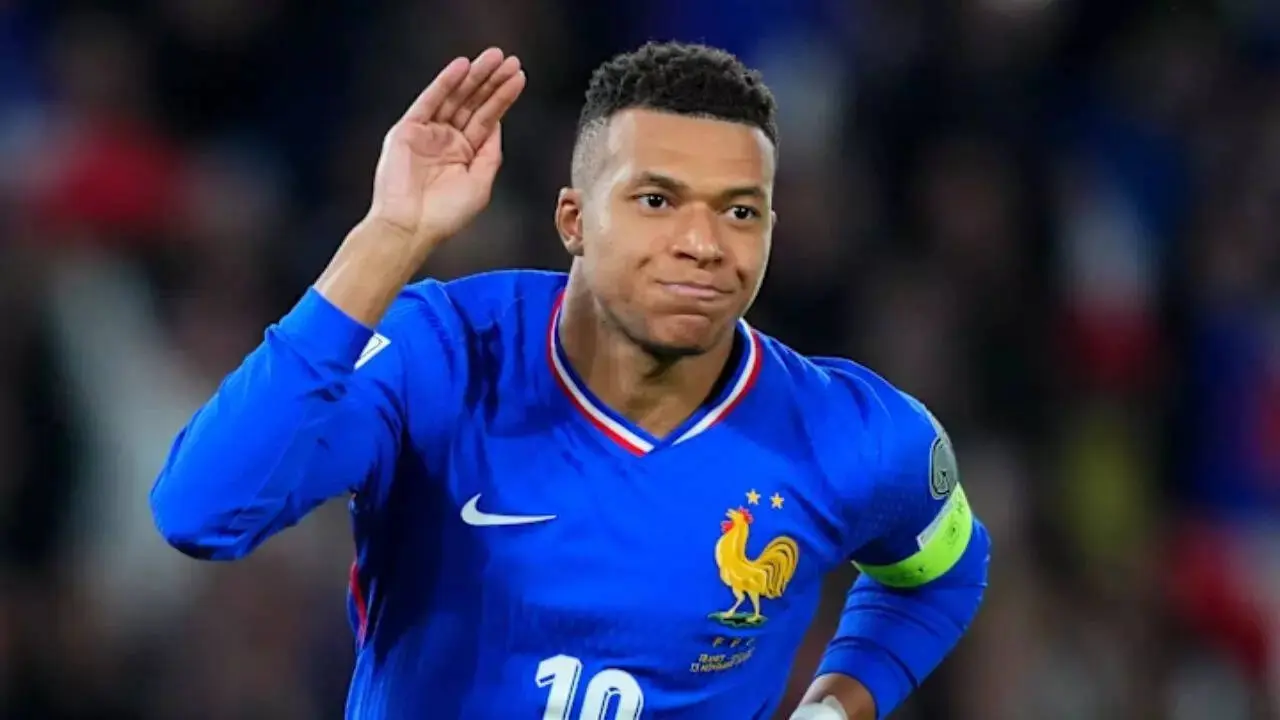
It all started a few weeks earlier, during a tense match between France and Paraguay in the group stage of the World Cup. Mbappé, captain of the Blues, shone on the pitch, scoring and delivering assists. But a contentious sequence, interpreted by some as a provocative gesture, had inflamed tempers. Celeste Amarilla, known for her strong positions and her outspokenness, then increased virulent criticism on social networks and in the Paraguayan media.
His comments, deemed racist and discriminatory by many observers, targeted not only the player but also his Cameroonian origins.
The controversy quickly went beyond the sporting framework. Anti-racism associations, French and international political figures, as well as FIFA itself, strongly condemned the senator’s statements. In Paraguay, the affair divided public opinion: some supported Amarilla in the name of patriotism, while others saw it as an unacceptable drift.
Faced with growing pressure – online petitions, calls for boycotts and global media coverage – Celeste Amarilla chose the path of reconciliation. During a press conference organized in Asunción, she appeared moved and contrite. “I should never have said that. My words went beyond my thoughts and hurt people who didn’t deserve it. I offer my sincere apologies to Kylian Mbappé, his family and all those who felt offended,” she declared, her voice trembling.
This public mea culpa was not trivial. It came after several days of radio silence and speculation about a possible parliamentary sanction. Amarilla also expressed his admiration for Mbappé’s career, recognizing his role as an ambassador for football and his commitment against racism. “Kylian is a great champion and an example for young people. I deeply regret having contributed to a controversy that had no reason to exist,” she added.
Mbappé’s sober and firm response
Kylian Mbappé’s reaction was scrutinized with even more attention. The French striker, who closely follows the debates concerning him, responded via a press release published on his social networks and relayed by those around him. Sobriety and firmness were the key words. “I accept Ms. Amarilla’s apology. Football must unite people and not divide them. I remain focused on my objective with the France team and I hope that this affair serves as a lesson so that respect always takes precedence on and off the field,” he wrote.
This response, neither triumphant nor vindictive, caused a sensation. On social networks, comments poured in: “Classy Mbappé”, “True leader”, “He’s still growing”. Journalists praised a rare maturity for a 27-year-old athlete who has been in the spotlight since adolescence. Others saw it as an intelligent strategy: accepting the excuses while recalling the fundamental values of sport.
Mbappé did not wish to add any more. He preferred to let the pitch do the talking, scoring decisive goals in the following matches and guiding the Blues to the final stages. His attitude has reinforced his image as an exemplary captain, capable of transcending controversies to focus on the essential: the performance and unity of the team.
Context of a controversy that went beyond football
This affair is part of a broader context of tensions during the 2026 World Cup. Organized in North America, the competition has seen several incidents involving players and political figures. The multicultural origins of many French athletes – Mbappé in the lead – have sometimes been used for political purposes.
Celeste Amarilla was not her first controversial outing. A senator known for her conservative positions and her attachment to Paraguayan identity, she had already been talked about in the past. His statements on Mbappé were interpreted by many as an attempt to galvanize an electoral base by playing on the nationalist fiber.
The rapid reaction of international authorities was welcomed. FIFA reiterated its principles of zero tolerance towards racism. The French Football Federation has given its full support to its captain. In Paraguay, moderate voices called for calm and sports diplomacy.
Impact on Mbappé and his career
For Kylian Mbappé, this controversy was an additional test. Already accustomed to media pressure since his explosion in Monaco, he now manages the issues with impressive confidence. His leadership on the ground is coupled with a thoughtful public posture. By accepting the apology without making a spectacle of it, he reinforces his status as a responsible icon.
On a sporting level, the affair did not seem to affect him. Mbappé continues to post impressive statistics during this World Cup, carrying the Blues forward. His example inspires a whole generation of young footballers from diverse backgrounds, showing them that it is possible to impose themselves while defending your values.
Reactions from the world of football and society
The French political class, from the Élysée to the benches of the Assembly, praised the dignity of Mbappé. Figures like Emmanuel Macron or Ministers of Sports have recalled the importance of the fight against racism in sport. At the international level, players like Vinicius Junior or Marcus Rashford, themselves victims of discrimination, have provided their support.
Among supporters, Mbappé’s response was widely applauded. Social networks saw thousands of positive messages, transforming a negative controversy into a moment of collective pride for Blues fans.
In Paraguay, the affair also provoked internal debates. Anti-racism activists called for more responsibility from elected officials, while others regretted that sport was being exploited.
A lesson for football and society
This sequence perfectly illustrates the challenges of modern sport: media pressure, the role of social networks and the responsibility of public figures. Celeste Amarilla chose the path of apology, a courageous gesture in a polarized political context. Mbappé responded with class, transforming a negative incident into an opportunity to recall essential values: respect, unity and fair play.
The affair could have positive consequences. Joint initiatives between the French and Paraguayan federations to promote intercultural dialogue through football have already been mentioned. Mbappé, faithful to his commitment, could participate in awareness-raising actions.
Ultimately, what could have remained a sterile controversy was transformed into a moment of collective reflection. “I should never have said that” will remain as a striking phrase, a symbol of awareness. And Mbappé’s response, sober and firm, as an example of modern leadership.
Football continues, the Blues are advancing in the competition, and Kylian Mbappé remains focused on his dream: lifting the World Cup once again. But this affair reminded everyone that behind sporting exploits lie men and women with their strengths, their weaknesses and their capacity to grow.
The story doesn’t end there. It continues to fuel debates and inspire those who believe in a fairer and more humane sport.